

Let’s Get Them There

The DEA just took another significant step toward recognizing medical marijuana!
On October 30, 2026, the U.S. Department of Justice announced that the Drug Enforcement Administration (DEA) was moving forward with federal registrations for more than 900 state licensed medical marijuana dispensaries.
For an industry that has spent decades operating under conflicting federal and state marijuana laws, this represents an important development.
Does it mean marijuana is finally federally legal? Not quite!
First Phase in Federal Approval?

The first phase includes qualifying dispensaries in seven states which include Alabama, Florida, Mississippi, South Dakota, Texas, Virginia, and West Virginia. These states have been close minded.
The registrations implement an April 23, 2026 federal order placing certain qualifying medical marijuana activities under Schedule III of the Controlled Substances Act. Previously, these activities generally fell under Schedule I, the federal category reserved for substances with no currently accepted medical use and a high potential for abuse.
Schedule III recognizes accepted medical uses while maintaining federal controls. However, dispensaries must satisfy DEA requirements, including background investigations, security measures, record keeping, and inventory controls.
Simply holding a state marijuana license doesn’t guarantee federal registration.
What Does Scientific Research Say

Researchers continue investigating marijuana’s potential medical benefits. A 2025 federal scientific review conducted for the Agency for Healthcare Research and Quality examined clinical studies involving cannabis and chronic pain.
Researchers found that certain THC-containing cannabis products provided small, short-term improvements in pain, particularly for some patients experiencing nerve-related pain.
However, the evidence remains limited for long term benefits, and side effects can include dizziness, nausea, and sedation. The findings demonstrate why continued clinical research and careful medical oversight remain important.
What Does This Mean for Medical Marijuana Businesses


Federal registration could create significant financial opportunities.
Under Internal Revenue Code Section 280E, businesses trafficking in Schedule I or II substances generally cannot deduct ordinary business expenses. Qualifying Schedule III medical marijuana activities may escape that restriction, potentially reducing federal tax burdens.
But federal approval also brings stricter oversight. The DEA is reviewing applications from marijuana growers, manufacturers, and distributors. These businesses face additional inspections, production requirements, and federal controls.
The agency is also requiring qualifying operators to establish compliant supply chains, potentially affecting which businesses can supply medical dispensaries.
Is Recreational Marijuana Federally Legal Now?
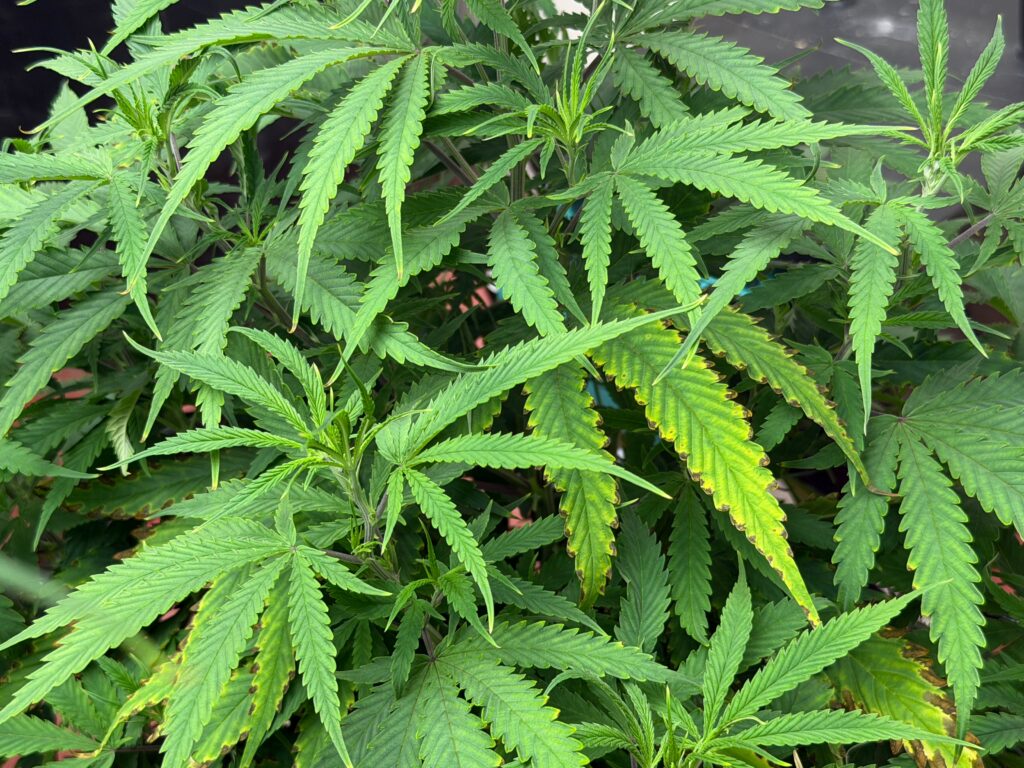

Recreational marijuana is still not federally legal. That’s an important distinction! Learn more about medical marijuana here!
The DOJ announcement applies only to qualifying medical marijuana activities. Recreational marijuana remains federally prohibited, and marijuana activities outside the federal order’s scope generally remain subject to Schedule I restrictions.
Broader federal marijuana rescheduling is being considered through a separate proceeding.
DEA’s Next Plans for Medical Marijuana

The DEA plans to continue reviewing applications and issuing registrations in phases.
For patients, the announcement could eventually improve access through a more clearly regulated medical cannabis marketplace. For businesses, federal recognition presents opportunities alongside new compliance responsibilities.
Conclusion
In conclusion, medical marijuana is gaining a new level of federal recognition, but nationwide marijuana legalization remains a separate question. So check out this place out if you want to try making your own medicine at home!
