


Update On Question 8
Massachusetts Question 8 is only weeks away from a statewide vote, and the debate over recreational marijuana has increasingly become a debate about money.
On November 3, 2026, voters will decide whether Massachusetts should eliminate its regulated recreational marijuana market while preserving the medical cannabis program and limited adult possession. Since our earlier look at Question 8 (click here) –LINK-, new sales figures, tax numbers, campaign spending, and polling provide a much clearer picture of what is at stake.
Massachusetts Cannabis Has Become a $10 Billion Industry
On October 8, the Massachusetts Cannabis Control Commission marked ten years since voters originally approved adult use marijuana. The numbers are significant. Massachusetts recreational marijuana businesses have now produced more than $10 billion in gross sales. The state has nearly 800 operating cannabis businesses. The Commission also reports that the legal cannabis industry has generated nearly $2 billion in state and local tax revenue over its history.
Question 8 would eventually remove the recreational side of that marketplace. The state’s own official voter guide puts the immediate tax impact into perspective. In fiscal year 2025 alone, recreational marijuana produced approximately $280 million in state tax revenue and another $50 million for municipalities.
That’s about $330 million in government revenue in one year. Supporters of Question 8 argue that cannabis tax collections should not be considered by themselves. Their campaign says marijuana commercialization creates costs involving public health, impaired driving, workplace problems, and other social consequences that must also be considered. The official voter guide makes clear that those statements are campaign arguments rather than findings endorsed by Massachusetts.
There’s Money Behind the Campaign Too

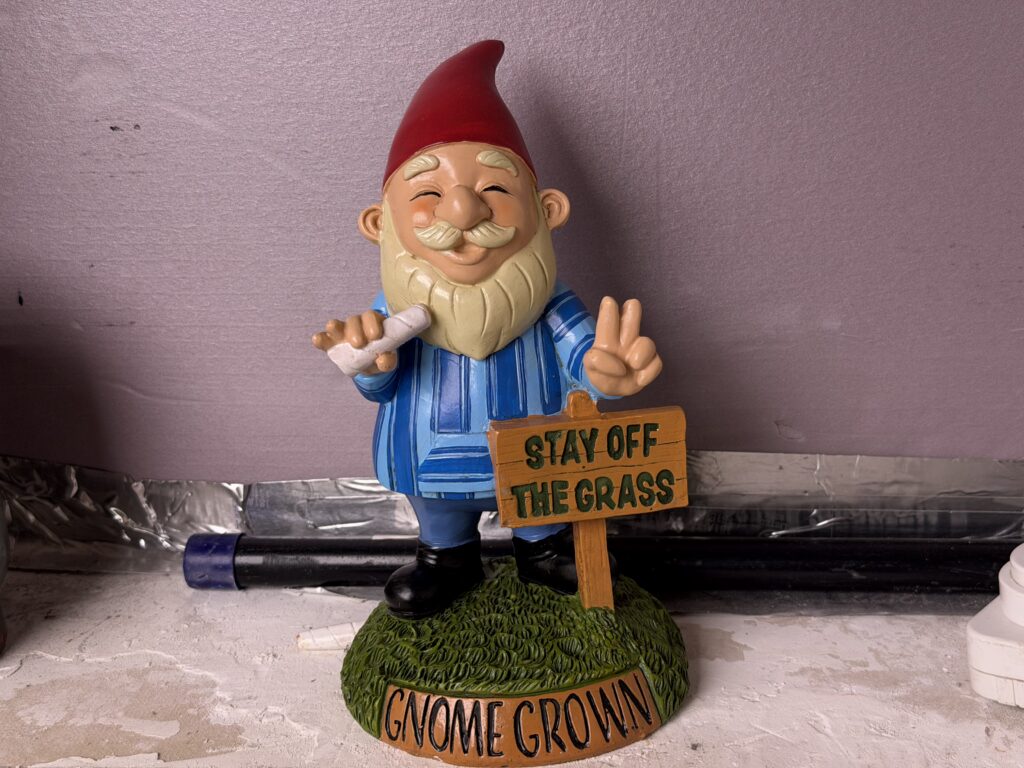
They’re Not Correctly Informed…
Millions of dollars are also being spent trying to influence the Question 8 vote.
Campaign finance information reported through October 5 showed approximately $3.53 million in contributions supporting Question 8, compared with approximately $2.34 million contributed to committees opposing it.
The overwhelming financial supporter of the YES campaign has been SAM (Smart Approach to Marijuana) Action, which had contributed about $3.48 million. The opposition money is spread among cannabis companies, retailers, and other organizations. Reported contributors included INSA, Ascend Wellness Holdings, Vireo Health, and the Retailers Association of Massachusetts.
In other words, Question 8 is not only a fight over marijuana policy. It is also a fight over an established multi billion dollar commercial industry.
What Are Massachusetts Voters Saying?

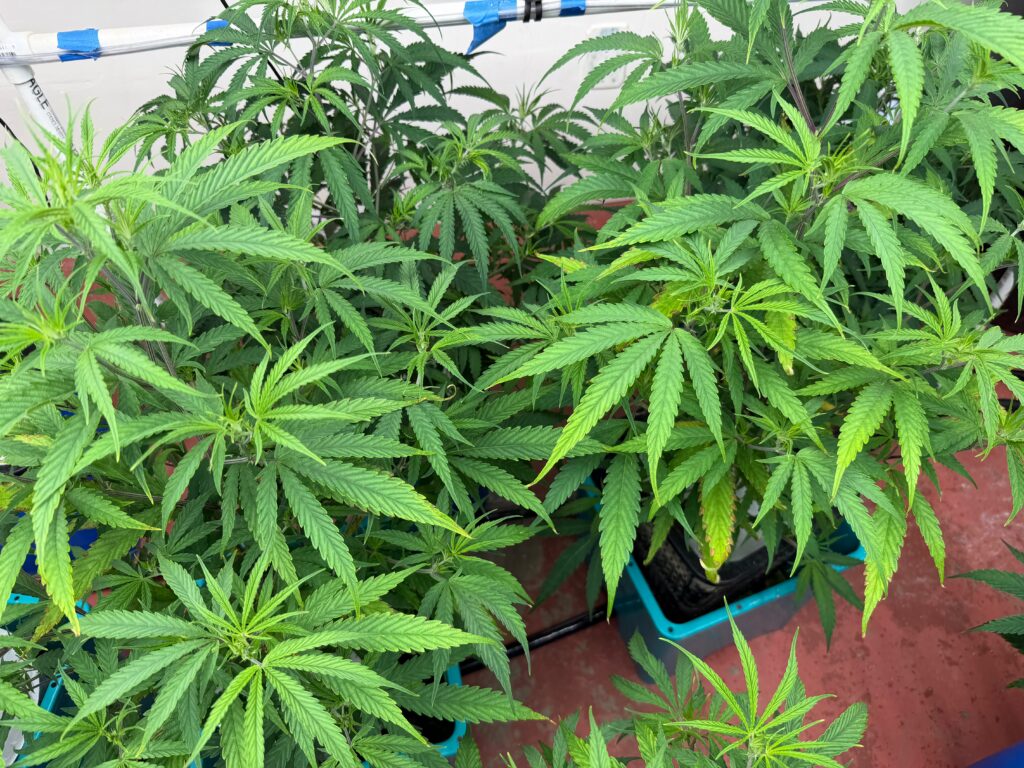
They’re Reading Their Books!
Recent polling has shown substantially more opposition than support for Question 8. A MassINC Polling Group survey conducted September 14 through September 22 found 61% of likely voters opposed the measure, 27% supported it, and 11% were undecided. That 11% should be able to be persuaded by those 61% of the opposed.
A separate University of New Hampshire survey conducted September 17 through September 21 also found Question 8 receiving relatively limited support. Those are snapshots rather than election results. The decision will be made November 3, 2026.
Massachusetts voters originally legalized recreational marijuana in 2016 with 53.7% of the vote. If Question 8 succeeds, Massachusetts would become the first state to repeal a voter approved recreational marijuana legalization measure. Those 53.7% of voters wouldn’t be happy, and who knows how positively the residents would react to this possible repeal.
More Than a Marijuana Vote

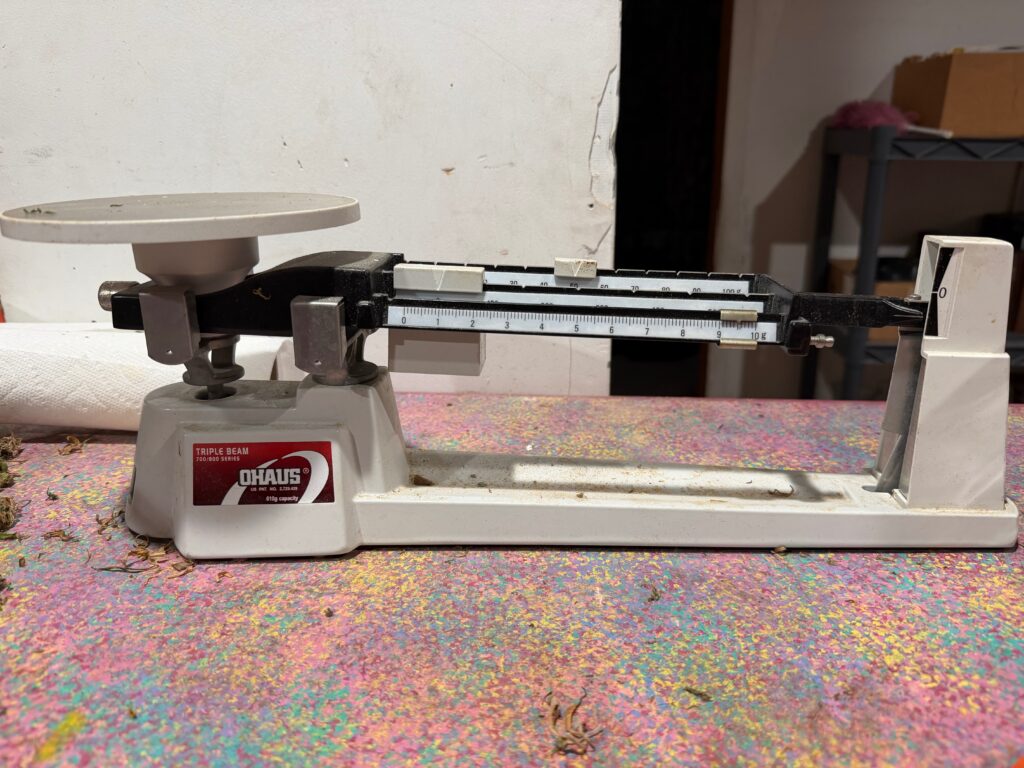
Let’s Keep Their Weight Where They Are
Question 8 still comes down to marijuana policy, but Massachusetts has changed considerably since voters legalized recreational cannabis in 2016. There are now hundreds of licensed businesses, billions of dollars in sales, significant state and local tax collections, employees whose jobs depend on the industry, and millions of campaign dollars being spent on both sides.
If Question 8 passes, the changes would not occur immediately. The new law would take effect January 1, 2028, and existing recreational businesses could seek expedited entry into the medical marijuana market. So when Massachusetts voters see Question 8 on November 3, they will not simply be reconsidering a marijuana law passed ten years ago. They will be deciding what happens to a legal cannabis economy that has since grown to more than $10 billion in sales.
Massachusetts voters originally legalized recreational marijuana in 2016 with 53.7% of the vote. We hope that Massachusetts keeps moving forward. Keep letting their residents grow their own at home, and you can start yours by going here!
