
Massachusetts said NO to Question 8. It was a ballot measure that would have repealed the state’s recreational cannabis retail market. Preliminary results indicate approximately three out of four voters opposed the repeal.
Saying “NO” to Question 8 was a huge win for cannabis consumers, home growers, and dispensaries, that’s a major victory!
Massachusetts says YES by Rejecting Question 8

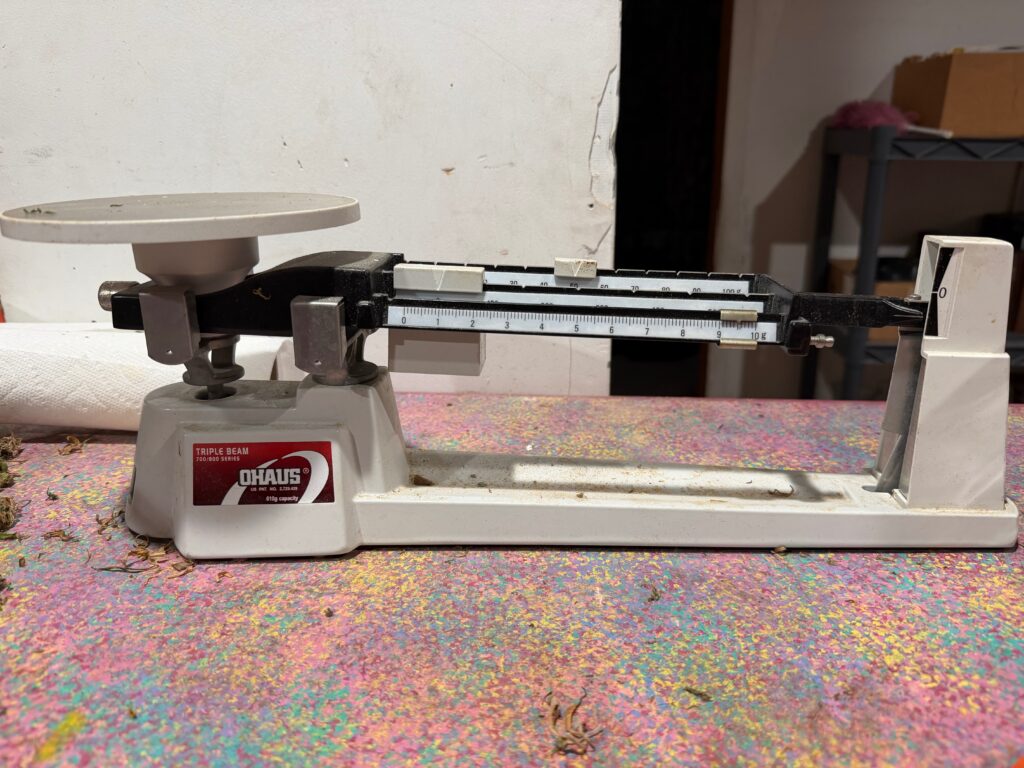
They Weighed Their Options CORRECTLY
Massachusetts legalized recreational marijuana in 2016. Ten years later, Question 8 attempted to reverse important parts of that decision. Had it passed, licensed recreational marijuana sales would have ended January 1, 2028. Medical marijuana and limited adult possession would have remained legal. Instead, voters protected recreational dispensaries, existing home growing rights, and the regulated cannabis industry. Go into a deeper read about home growing in Massachusetts here.
There’s a Lot of Money Involved!

Money Gets People Hooked
Money is hand in hand with legal marijuana. Legal marijuana is a big business.
According to Massachusetts state figures, recreational cannabis sales reached approximately $1.65 billion in 2025. Cannabis taxes generated approximately $280 million for the state and another $50 million for local governments during fiscal year 2025. That’s roughly $330 million in annual tax revenue that could have been threatened by eliminating recreational retail sales.
What Does the Scientific Research Say?

Research Stays Positive

A 2025 Canadian scientific study found that approximately 78% of cannabis spending occurred through legal sources. Researchers estimated that regulated cannabis businesses accounted for more than $5 billion in consumer purchases.
Canada legalized recreational marijuana nationwide in 2018, providing researchers with an opportunity to examine how legal markets compete with illegal sellers. Research in the United States also suggests that legalization can reduce marijuana related criminal enforcement, although findings about youth consumption and certain health consequences remain mixed.
Massachusetts researchers have reported both positive and concerning developments since legalization, including evidence of increasing legal market participation alongside cannabis related health concerns among vulnerable populations. In other words, legalization isn’t necessarily risk free. But eliminating legal dispensaries doesn’t automatically eliminate marijuana consumption.
Next Up for Massachusetts

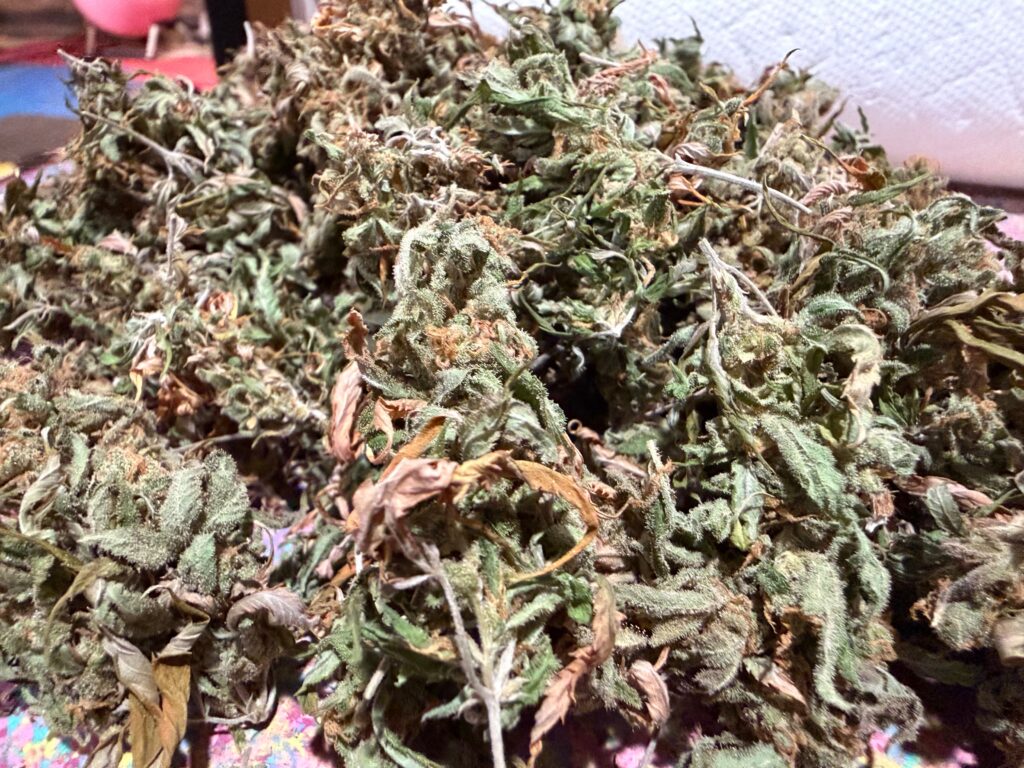
Keep Progressing
For Massachusetts, recreational marijuana businesses can continue operating under existing law. Adults 21 and older retain their legal rights to purchase, possess, and grow cannabis within state limits. Residents 21 and older can still legally grow up to six marijuana plants per person, with a maximum of 12 plants per household. And thanks to voters rejecting Question 8, those home growing rights remain protected. You can read more about this here at sunnycultivation.com
Conclusion
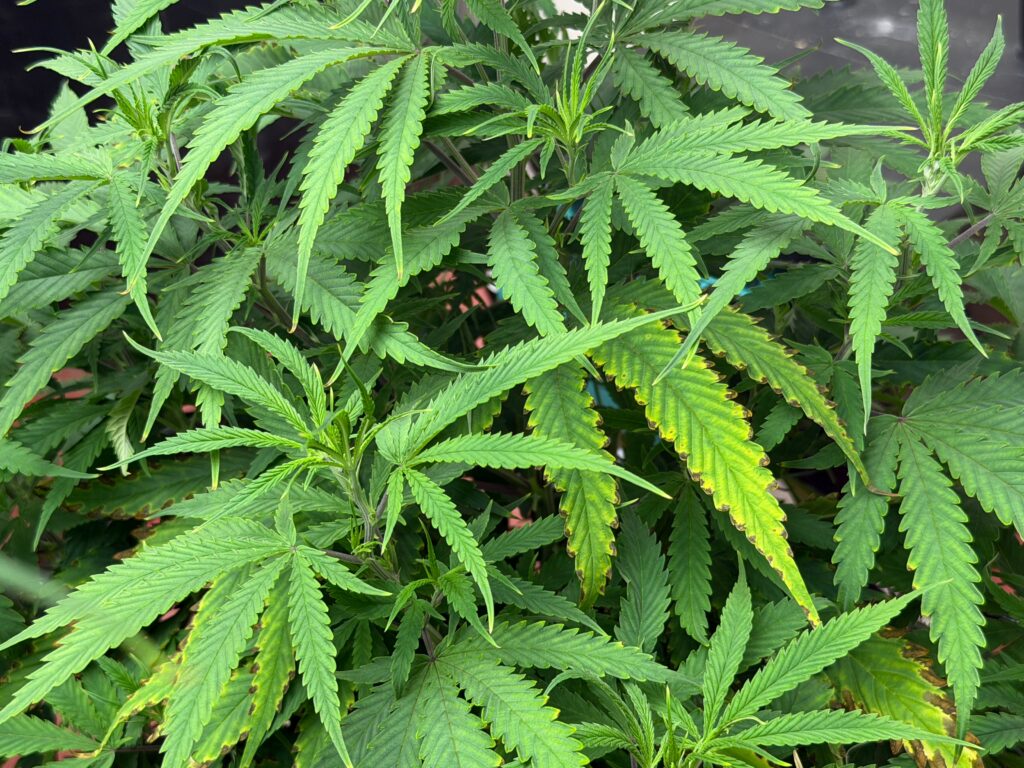
Keep it Legal!
In conclusion, the election also sent an important message to other states considering changes to their marijuana laws. Massachusetts voters legalized recreational marijuana in 2016. A decade later, when given the opportunity to reverse course, they overwhelmingly chose to keep it. And the biggest takeaway for Massachusetts showed that people aren’t ready to give up legal weed. These are the ones that want to help you start your home grow.