


Getting on the bandwagon
Texas turns Blue! Democrat Gina Hinojosa defeated Republican Governor Greg Abbott, becoming the first Democrat elected Texas governor in 32 years. Democrats also won the lieutenant governor’s office, the attorney general’s office, and control of the Texas House of Representatives. But there’s one important detail that Republicans still control the Texas Senate. So what does all this mean for marijuana legalization in Texas?
Texas Has New Leadership Supporting Marijuana Reform

Incoming Governor Gina Hinojosa has expressed support for expanding medical marijuana, reducing criminal penalties for possession, and establishing a regulated recreational cannabis market. She’s not alone.
Lieutenant Governor elect Vikki Goodwin and Attorney General elect Nathan Johnson also supported recreational legalization and medical cannabis expansion in a 2026 Texas Cannabis Policy Center voter survey.
That’s a substantial change in the political leadership overseeing Texas cannabis policy. However, legalizing recreational marijuana will still require legislation approved by both chambers of the Texas Legislature.
What Are Texas Marijuana Laws Right Now?

They should be getting further

Despite the election results, recreational marijuana remains illegal in Texas. Possessing two ounces or less can still result in a Class B misdemeanor, and growing marijuana at home remains prohibited.
Texas does have a restricted medical cannabis program. In 2025, lawmakers expanded the state’s Compassionate Use Program through House Bill 46, adding qualifying medical conditions and increasing the number of authorized dispensing organizations.
However, patients still cannot legally grow their own marijuana.
Houston Voters Also Approved Marijuana Reform
The statewide election wasn’t the only cannabis related development. Houston voters approved Proposition A, directing police to make enforcement of certain misdemeanor marijuana possession offenses their lowest priority.
The measure doesn’t legalize marijuana, but it changes the city’s stated enforcement priorities. Similar efforts have previously faced legal challenges over conflicts with Texas law.
Could Texas Legalize Marijuana in 2027?
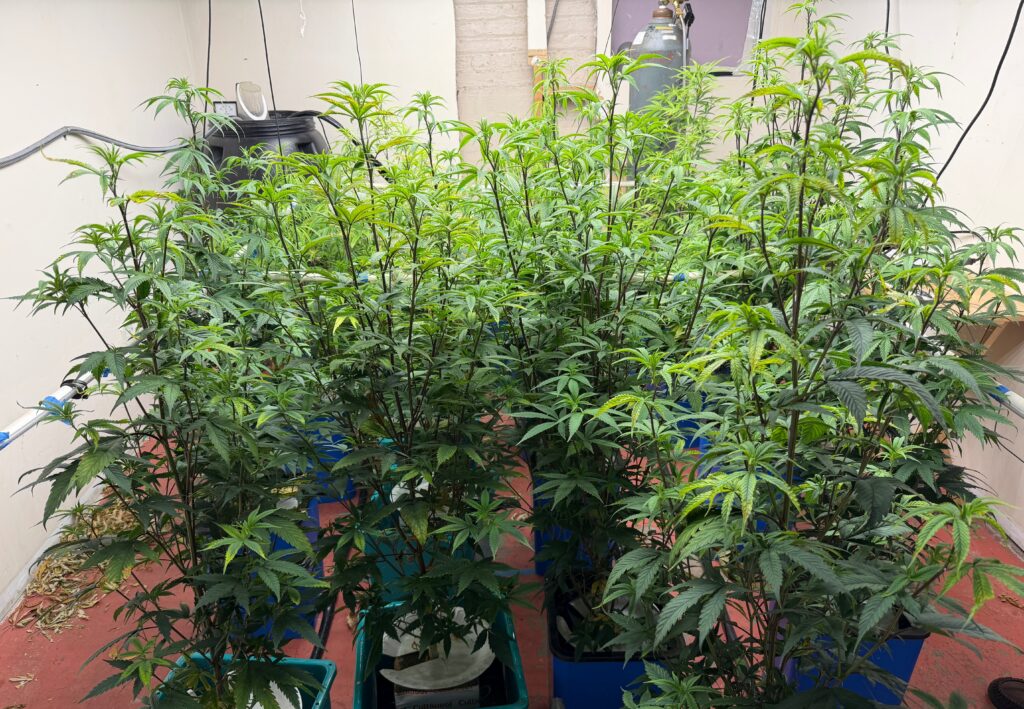

The Texas Legislature convenes and communicates on January 12, 2027 on this policy.
Lawmakers could consider recreational legalization, reduced possession penalties, additional medical cannabis access, and potentially home-growing rights.
Scientific research provides useful context. A 2026 systematic review of 329 studies found that cannabis legalization generally reduced possession-related enforcement, while public-health outcomes varied across jurisdictions.
Research also suggests that legal home-growing rights are associated with greater participation in personal cannabis cultivation.
However, neither recreational legalization nor home cultivation is guaranteed by the election.
Four areas to watch
First of four areas adult use legalization would be a category where Texas lawmakers could introduce legislation authorizing recreational cannabis sales for adults 21 and older. Such legislation would need to address licensing, taxation, purchase limits, testing, and enforcement.
Decriminalization would be another category the Legislature could instead consider reducing penalties for possession without establishing a legal retail market. Texas House members approved statewide decriminalization measures in 2019, 2021, and 2023, but those bills did not receive final Senate approval.
Medical expansion is up next in the four areas that lawmakers could consider increasing patient eligibility, permitted products, or authorized distribution channels beyond those established by HB 46.
Home cultivation is the last of the categories the legalization proposal could address whether adults or qualifying medical patients may grow cannabis at home. No general personal cultivation right currently exists, and supporting recreational legalization does not necessarily mean supporting unrestricted home growing.
What’s Next for Texas?

We Want Texas in our Jars

Texas enters 2027 with new statewide leadership that has publicly supported cannabis reform. But Republicans retain control of the Senate, and any major legalization proposal must still pass both legislative chambers.
Conclusion
In conclusion, Texas voters changed the political landscape, but marijuana laws haven’t changed overnight. Whether recreational cannabis becomes legal will depend on what lawmakers actually accomplish in 2027. If things switch, check this out!
The incoming governor, lieutenant governor, and attorney general all expressed support for significant cannabis reform in the Texas Cannabis Policy Center’s 2026 voter guide. The positions below reflect candidates’ documented responses or records, not legislation already enacted.
Texas Cannabis Policy Center
| Proposed reform | Hinojosa | Goodwin | Johnson |
| Expand medical cannabis | Supports | Supports | Supports |
| Replace certain possession penalties with civil fines | Supports | Supports | Supports |
| Legalize adult possession | Supports | Supports | Supports |
| Establish regulated recreational sales | Supports | Supports | Supports |
These positions establish a meaningful change in the preferences of the state’s incoming executive leadership.
However, the Republican controlled Senate remains an important constraint. Its members will have to participate in passing any significant statutory reform. Keep a look out for updates on Texas and their policies.