

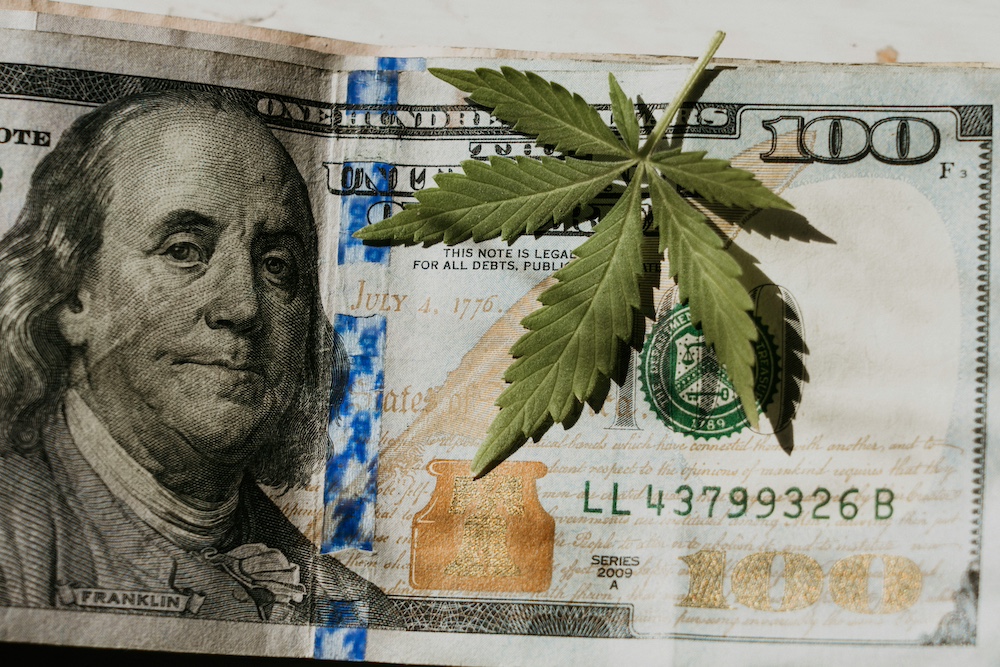
In February 26, 2026, Hirsh Jain of Verdant Strategies, published an op-ed in Marijuana Moment, arguing that Michigan’s recent cannabis tax increase would serve as a cautionary tale for other states. Raising the cannabis tax would be bad economics for the State of Michigan.
Michigan was considered a successful adult-use cannabis market in the USA. When Michigan legalization began they imposed a modest 10% excise tax on recreational marijuana. This was in addition to the 6% sales tax on medical use. This created a total effective rate of 16%. When compared to states like California—where combined cannabis taxes approached 40% in some cities—Michigan’s competitive pricing helped draw consumers away from the illicit market and into their licensed stores.
The results proved strong. Legal cannabis sales reached approximately $3.3 billion annually in a State of just 10 million residents. Per capita, Michigan rivaled or even outperformed California, despite California having nearly four times the population. Cannabis also became a major employment engine, with about 47,000 workers in 2024—nearly 1% of Michigan’s total workforce. According to Crain’s Detroit Business, cannabis accounted for 52% of the state’s net private-sector job growth from 2018 to 2024.
Remember, the best protection against State cannabis taxes is to grow your own medicine.
Higher Taxes = Lower Revenue & Lower Employment
However, that trajectory may shift. Since Michigan enacted its new 24% wholesale cannabis tax effective January 1, 2026, Jain speculates that the higher taxes may equal lower revenues in the State coffers and lower employment because of layoffs. The tax significantly increased the overall tax burden on operators. Early indications and data suggests immediate consequences: January 2026 sales dropped to $226 million, down 16% from December and 8% from the previous January—the lowest monthly total since late 2022. The sales trend may go back up. More users will go to the Grow Your Own market place.
Several companies quickly announced layoffs, facility closures, and consolidation efforts, citing shrinking margins after the tax increase. Higher Love Cannabis specifically announced laying off 61 of its 213 employees. Industry observers warn that higher legal prices could push consumers back to the illicit market, which faces no regulatory costs or excise taxes. (see previous article on Michigan tax situation).

Results of Higher Cannabis Taxes
Hirsh Jain argued that the end result of higher cannabis taxes would be lower revenue in the State coffers. Also, the State would suffer cannabis industry layoffs. He emphasized that cannabis markets remain highly price-sensitive, and consumers reflect that in their buying choices. Furthermore, legal dispensaries directly compete with illegal sellers. Excessive taxation, he contends, will reduce legal sales rather than simply raising revenue.
As a recent example, he points to California’s brief 2025 tax hike—which was reversed after legal sales declined.
The op-ed concluded by urging Michigan lawmakers to reconsider the wholesale tax and encouraged other states to avoid prioritizing short-term budget fixes over long-term market stability, jobs, and the broader recognition of cannabis as medicine. Michigan did not listen.
